How Your Face Modifications With Age: Bone, Fat And Muscle Mass Loss Ané
How Face Aging Really Occurs: Changes In Skin, Fat, Muscle Mass, And Bone Blog Throughout your 40s, the face remains to shed quantity, which can make skin show up to droop. Lines that were previously only obvious with facial motion can additionally be seen when at remainder. The under eye area comes to be darker throughout this years, and marionette lines might start to show up at the edges of the mouth. These targeted techniques can be much more reliable when coupled with treatments that kick back muscle mass or refine the skin's surface area. Fat volume in the superficial compartment, simply under the skin, lowered by an average of 11.3 percent. That compared to a typical 18.4 percent reduction in the deep face fat area. Botox and Dysport are neuromodulators that work by momentarily loosening up the muscles responsible for Skin lifting without surgery vibrant creases.
Just how to maintain volume in your face as you age?
Nevertheless, there Anti-aging facelift alternatives are means to fight this trouble. Facial exercises can aid to tone the muscles and improve skin flexibility, while fillers can plump up the skin and bring back lost quantity. In addition, treatments such as laser resurfacing can aid to smooth out wrinkles and give the face a more younger look.

Appearance
- The eyebrow might appear much heavier while the lower eyelids end up being much longer and a lot more hollow.
- These tailored techniques intend to redefine the jawline and boost overall facial harmony.
- Face fat transfer has actually come to be a vital device for recovering youthful face volume, especially for clients that desire all-natural, long lasting outcomes without depending entirely on dermal fillers.
- Fat quantity in the superficial area, just under the skin, decreased by approximately 11.3 percent.
- We suggest Lait Nettoyant, a silky cleaning milk that eliminates contaminations while appreciating the skin's natural protective barrier.
- In addition to weight-related changes, typical aging contributes to facial volume loss, also in people that keep a steady weight.
Modifications Below The Skin
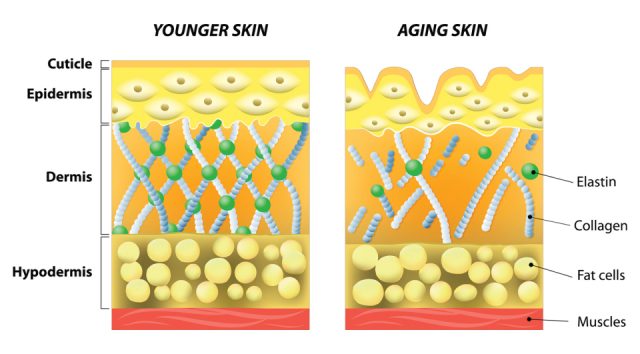
Unlike shallow fat, these much deeper compartments act as the face's structural foundation, sustaining and forming its midface forecast. In addition to handling changes in your skin, whatever taking place below additionally experiences modifications as you age. Under the skin is a layer of face fat, and as we age, that face fat declines. Changes in fat quantity, skin look, and the results of gravity, can create an altering look as we age. It can cause cheeks to show up flatter, eyelids to appear baggier, and the face generally less full. Numerous procedures, such as face fillers and fat transfers, can be used to address these kind of problems. For those experiencing substantial face aging, non-surgical choices may produce only limited or short-term results. In these circumstances, a renovation usually emerges as the most reliable remedy to renew both quantity and shape, especially when coupled with SMAS (shallow musculoaponeurotic system) plication. Remain HydratedDehydrated skin looks "deflated." Drinking adequate water makes sure that your skin cells remain plump, which can momentarily minimize the look of great lines and hollows. For an external increase, the Hydra n ° 1 Masque provides an extreme "thirst-quenching" treatment that leaves skin looking noticeably fuller. The skin around the eyes is the thinnest on the face and typically shows quantity loss first (sunken eyes). As deep fat support reduces, superficial fat begins to come down and gather along the mandibular border, bring about the formation of jowls. These modifications result in a blurred jawline and contribute to the particular drooping seen in the lower face [2] The aging process in the lower face adheres to a different pattern contrasted to the midface and holy places. As opposed to shedding quantity, locations like the jowls and submental region (under the chin) experience a boost in fat volume, known as hypertrophy [2] This difference in fat loss and redistribution in between the layers contributes to the distinctive changes in face appearance as we age.